DAY 1 – Artificial Intelligence: A Reality-Based Perspective
1.1 — Overview of the Challenges and Limitations of AI Tools
* Machine Learning, Neural Networks: A Look Back at the Actual Definitions
* Fundamental Differences Between a Stochastic Model and a Deterministic Software Tool
* From Large Language Models to Agent-Based Systems: A Brief Review of Developments Since GPT-3
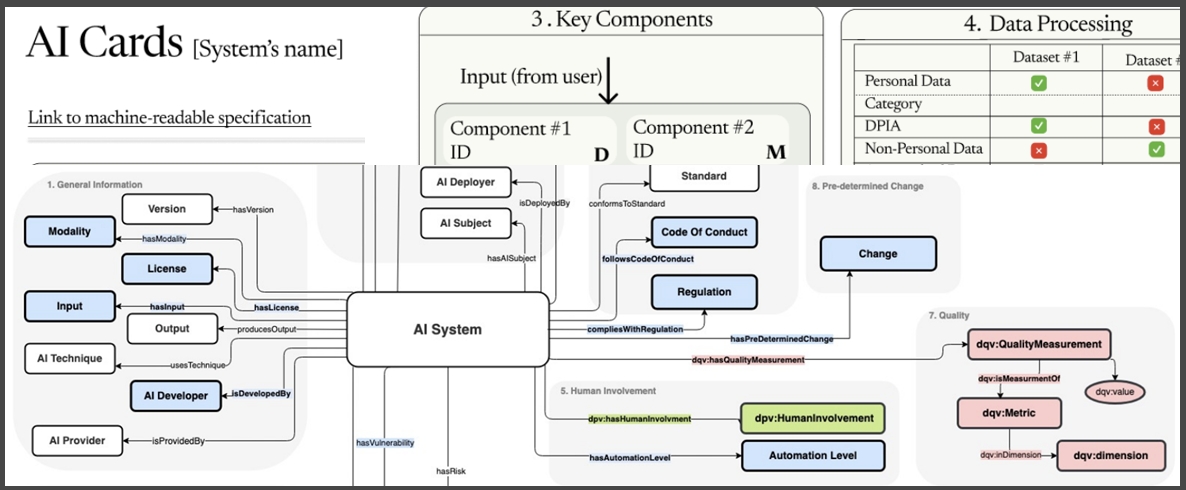
* Bias and hallucinations are an inherent part of AI: fundamental limitations of our approaches, impacts to consider.
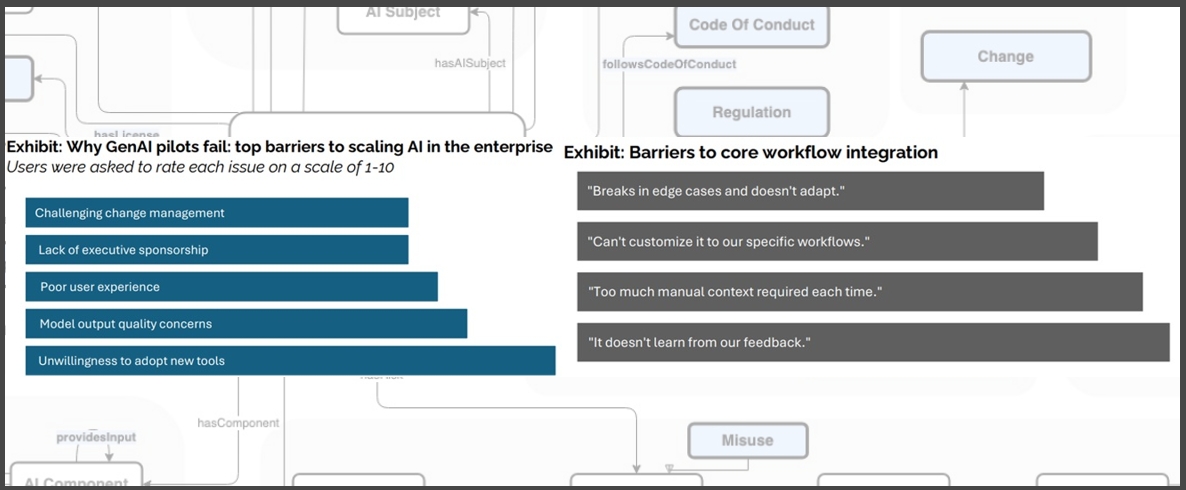
* AI as the Realm of Proof of Concept: An Overview of MIT’s Research and Lessons Learned.
* What Does an AI Proof of Concept Prove? A Challenge to Conventional Software Development Practices.
1.2 — Evaluating the Quality of an AI Tool? From Benchmarks to the Human Cost
* The primary method for evaluating an AI tool: limitations and blind spots.
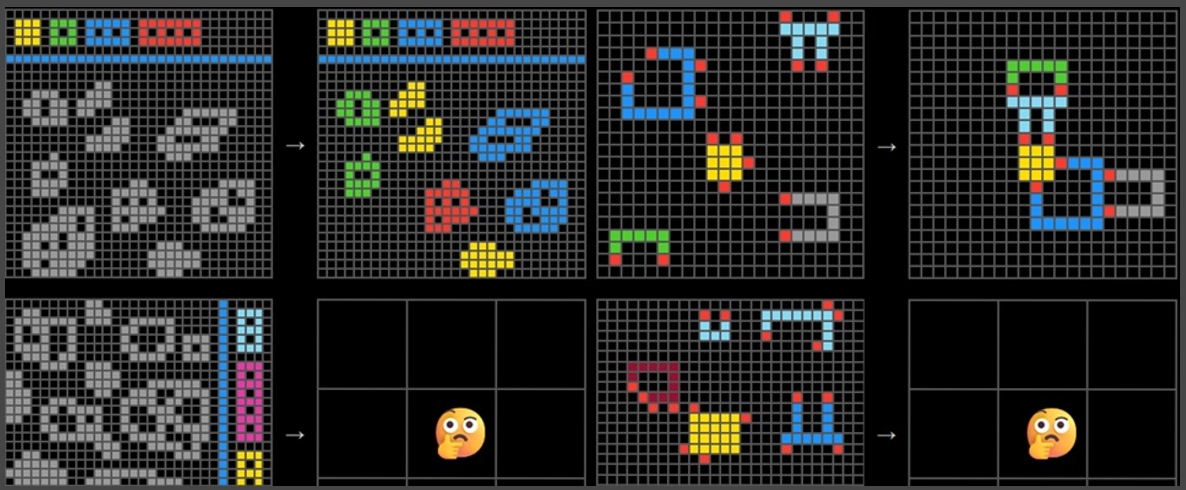
* A detailed overview of three key benchmarks and their limitations: SWE-Bench, ARC-AGI, τ2-bench
* Can we trust a public benchmark? Can we use it for internal forecasting?
* Challenges and Limitations of Internal Benchmarks.
* The Problem with Metrics: Limitations and Dangers of Metrics Used to Assess the Quality of an AI Project. Examples of Misleading Metrics (classification, language, image)
* Hidden Human Cost! Focus on AI Slop Pitfalls in Software Development and Open Source Projects.
* Considerations for AI-driven change management: oversight, shared information. Pitfalls of uncertainty metrics.
1.3 — Overview of the AI/Agent Ecosystem
Please note: The schedule provided here is for August 2026. This section of the training program is updated monthly.
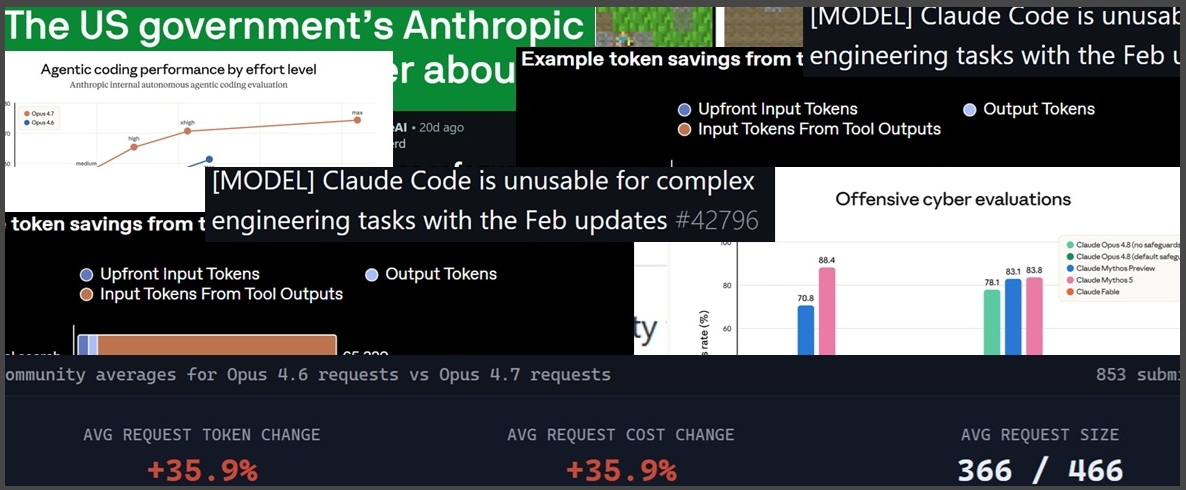
* Anthropic: Analysis of the latest models and Claude extensions (Claude Legal). Model evolution and challenges encountered with the latest models. Focus on Claude Fable: conflict with the U.S. government, communication, usage limitations, and costs. IPO implications.
* OpenAI: A look back at the feud with Anthropic. Exploring revenue streams (advertising, marketplace). Analysis of the latest models and potential directions for development. IPO implications
* Google: Analysis of a different market positioning. Internal control over the hardware used. Differentiation of Gemma models: Diffusion, Differential Privacy, Edge AI. Other projects (robotics, World Models, etc.)
* Chinese “Open Source” models? Analysis of the DeepSeek phenomenon, with a focus on the proposed model and hardware optimization.
* Chinese “Open Source” Models? Analysis by GLM & Kimi.
* Is “Software as a Service” Doomed? Analysis and Discussion.
1.4 — AI Interpretability and Safety: Key Considerations
* AI Interpretability? An overview of various definitions and certain fundamental limitations. Impacts on tool mastery, links to benchmarks, and biases/hallucinations. Approaches in Causal Representational Learning.
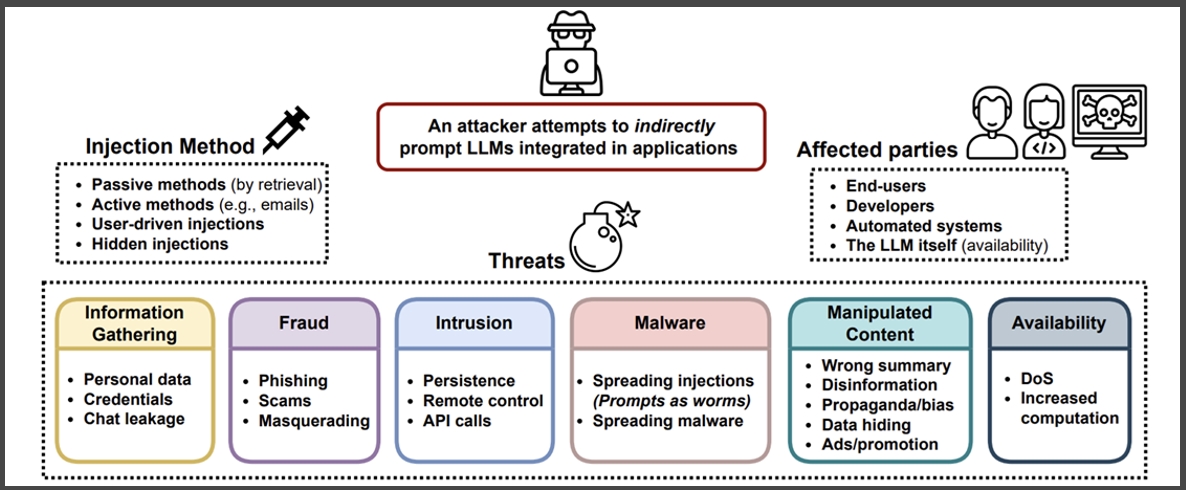
* AI Security? Overview of the Main Security Vulnerabilities in a Model: Adversarial Attacks, Jailbreaking, Prompt Injection, Model Inversion, Membership Inference, Poisoned Datasets
* AI Security in the Context of Agent-Based Systems: Overview of Publicly Discovered Vulnerabilities. Analysis of the conditions for the secure operation of an agent-based system.
* A Look Back at Antropic Mythos: AI-Based Security Vulnerability Detection. Results by Open-Source Models. Impacts to Consider.
* Case Study: Misuse of an Agent-Based Search System (RAG): Essential Precautions and Best Practices.
DAY 2 – Regulatory and Organizational Framework. Methods and Solutions
2.1 — Regulatory Framework
Note: The sources used for this section are taken entirely from the European Commission’s Joint Research Center.
* The GDPR’s Impact on Data Policies and AI Tools. Changes to the Regulatory Framework and Recommended Best Practices.
* Management of personal data: challenges and limitations. The concept of identification (“one among k”). Principles of upstream data anonymization and downstream controls.
* Risk levels since the AI Act. An overview of LLM biases that can affect this risk level.
* Interpretability and AI within the regulatory framework. An analysis of the discourse of AI lobby groups regarding the text of the AI Act.
* The challenge of AI traceability. Case studies based on two examples: a search tool (RAG-type) and a video conference analysis tool. Implementation recommendations.
* Issues related to user interfaces and training for AI tools: principles and risks. Continuation of the two examples.
2.2 — Ethical, Financial, and Organizational Issues
Please note: The goal here is not to present the entire 42001 standard, but to use this text as a basis for highlighting and expanding on certain key concepts.
* Overview of the main sections of the ISO 42001 standard.
* Aligning AI Implementation with an Organization’s Existing Context: A Diagnostic Approach and Identification of Priorities
* Ethical AI: Definitions and Possible Approaches. An Overview of Fundamental Research on the Topic, Links to the AI Act, and Change Management.
* Ethical AI: A case study of an agent-based system open to users.
* Defining an AI Policy: An Overview of the Approaches Needed at the Organizational and Human Levels.
* AI Profiles: Career paths for the various qualifications and skills required.
* The AI project as a collaboration among experts from different business, technical, and scientific fields. Case study; identification of necessary interactions.
* AI Project and Organizational Risks: Definitions and Mitigation Strategies.
* AI Support Within a Team and an Organization: Best Practices for Providing Technical Resources and Facilitating Communication. Challenges in Documenting a Project.
* AI Cost Management and Projections. Subsidized models today, rising costs tomorrow. Potential paths for development.
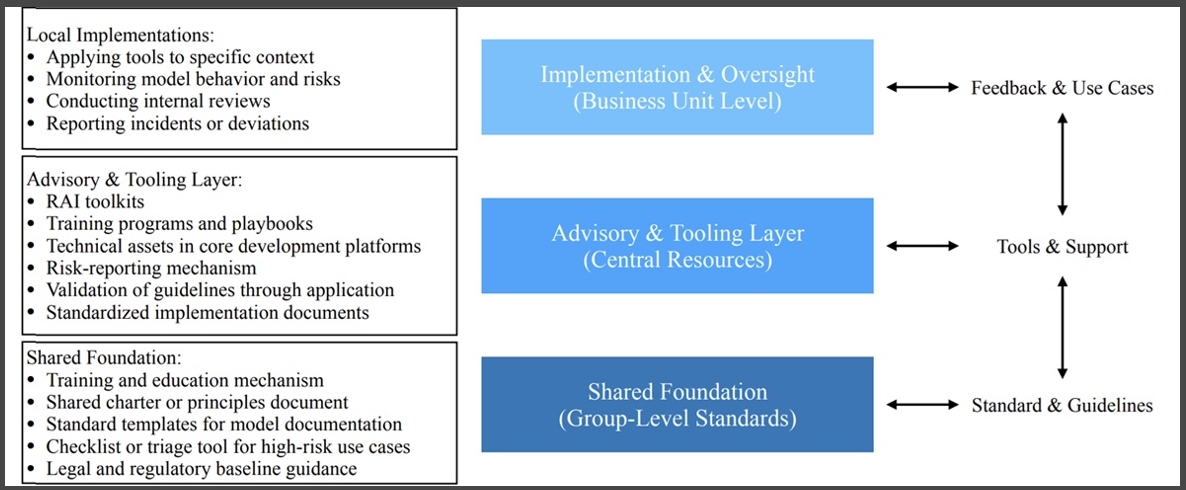
* Case study on the Stanford/LVMH research (Meimandi et al.) regarding the implementation of an AI strategy within a large, international, and decentralized corporation. Presentation of the governance framework (ARGO) proposed by the researchers.
2.3 — Solutions: Investments in Data
* AI as the Realm of Proof of Concept: Which Initiatives Constitute True Investments in AI?
* Methodological principles of data architecture: iterative processes aimed at understanding the data, whether during training or during the testing and validation of a system.
* Data architecture as a meeting point between business experts and data scientists: a case study.
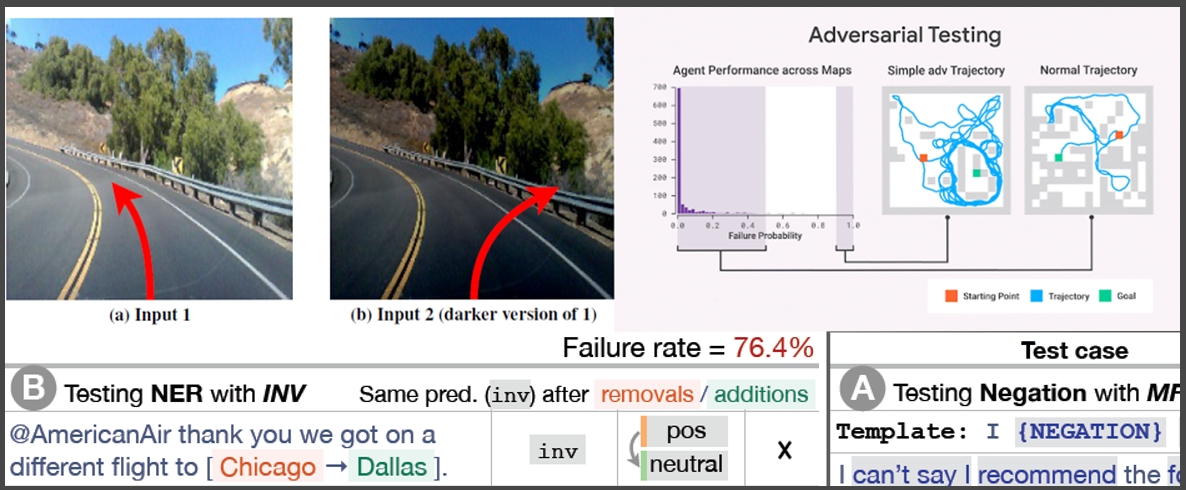
* How to Test an AI Tool in a Stable and Iterative Manner? Black-Box Testing Approaches in Data Architecture
* Leveraging Synthetic Data to Expand Test Coverage.
* Automated and Customized Testing of an External Tool
2.4 — Solutions: Investments in AI
* Large-scale model training using the “black box” approach: major limitations and potential solutions.
* AI Architecture: Key Principles, Comparison with the Software Paradigm. The Value of Smaller Models in Terms of Cost and Traceability.
* Architecture-based controlled quality iteration in AI. Adapting to the various available models.
* Sovereignty and AI: Challenges and Solutions.
* Cost-control levers in AI: estimates, adjustments, and economic management of the system.